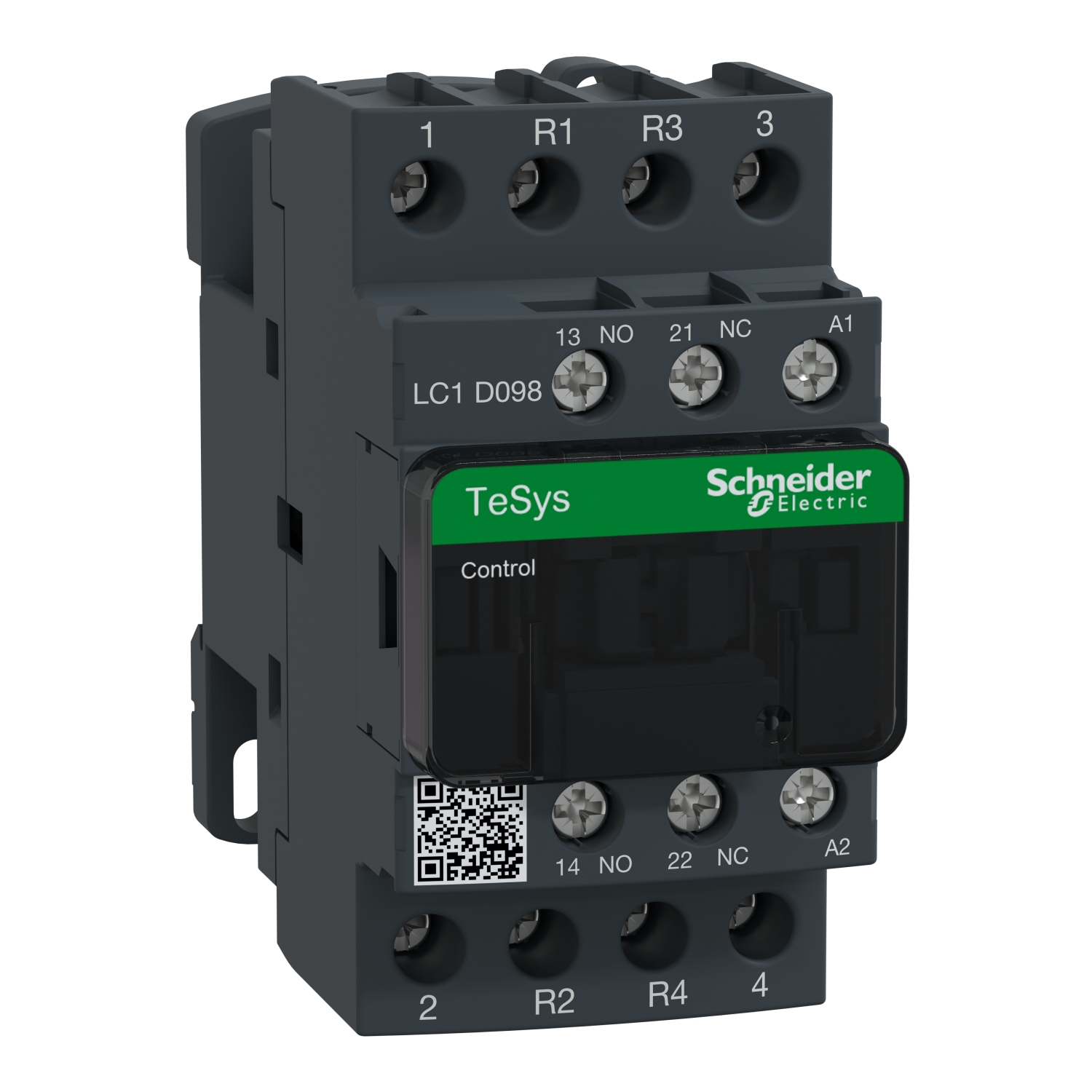
Schneider LC1D128B7 Contactor | TeSys D contactor – 4P(2 NO 2 NC) – AC-1 – <= 440 V 25 A – 24 V AC coil
Schneider LC1D128B7 Contactor: Powering Your Industrial Solutions In the realm of industrial automation, precision and reliability are paramount. This is where the Schneider LC1D128B7 contactor shines. As a crucial component in electrical systems, this contactor plays a pivotal role in ensuring seamless operations across various industries. Understanding Contactor Basics What is a contactor? A contactor is an electromechanical device used to make or break electrical connections. It is essentially a switch that is controlled by an electromagnet, allowing it to handle high currents and voltages. Purpose and function of a contactor Contactor’s primary function is to control the flow of electricity in an electrical circuit. It enables the control of motors, lighting systems, heating elements, and other electrical loads. Features and Specifications Overview of Schneider LC1D128B7 The Schneider LC1D128B7 is a high-performance contactor designed to meet the demanding requirements of industrial applications. It boasts robust construction, advanced technology, and exceptional reliability. Key features High current and voltage rating Compact design Low power consumption Built-in overload protection Wide operating temperature range Technical specifications Rated operational current: 128A Rated operational voltage: Up to 690V Coil voltage: 24V AC Applications and Industries Where is Schneider LC1D128B7 used? it finds widespread use across various industries, including: Manufacturing Automotive Chemical Oil and gas Mining Industrial applications Motor control Lighting systems HVAC systems Power distribution Advantages Efficiency and reliability The Schneider LC1D128B7 excels in terms of efficiency and reliability. Its robust design ensures long-term performance even in harsh industrial environments. Safety features Safety is paramount in industrial settings, and the Schneider LC1D128B7 doesn’t disappoint. It comes equipped with built-in overload protection and meets stringent safety standards. Easy installation and maintenance Installing and maintaining the Schneider LC1D128B7 is a breeze, thanks to its user-friendly design. It simplifies the process, saving time and effort for technicians. Comparison with Competitors How does it compare with other contactors? In comparison to its competitors, the Schneider LC1D128B7 stands out due to its superior performance, reliability, and advanced features. Strengths and weaknesses Strengths: High durability, wide voltage range, overload protection Weaknesses: Slightly higher cost compared to some competitors Installation and Maintenance Guide Step-by-step installation process Mount the contactor securely on a suitable surface. Connect the control circuit wires to the appropriate terminals. Connect the power supply wires to the main terminals. Test the contactor to ensure proper operation. Maintenance tips and best practices Regularly inspect for signs of wear or damage. Clean the contactor contacts to ensure optimal conductivity. Check and tighten terminal connections periodically. Troubleshooting Common Issues Identifying common problems Contact welding Coil failure Overheating Solutions and fixes Clean contacts or replace if necessary. Check and replace the coil if defective. Ensure proper ventilation to prevent overheating. Pros: Robust construction, easy installation, reliable performance Cons: Slightly higher initial cost compared to some alternatives Pricing and Availability Cost considerations The Schneider LC1D128B7 is competitively priced considering its advanced features and performance. Where to purchase Schneider LC1D128B7 The contactor is available through authorized distributors and online retailers, ensuring easy accessibility for customers worldwide. SKU: LC1D128B7 Categories: TeSys D, TeSys Deca Contactors Tag: TeSys D contactor - 4P(2 NO 2 NC) - AC-1 - <= 440 V 25 A - 24 V AC coil Brand: Schneider Electric